Ahead of Oscars, Juliette Binoche hails strength of Cannes winners / Photo: Chris Delmas - AFP


 London
 14 °C
14 °C

 Manchester
 13 °C
13 °C
 Glasgow
 12 °C
12 °C
 Dublin
 13 °C
13 °C
 Belfast
12 °C
Belfast
12 °C
 Washington
 22 °C
22 °C
 Denver
21 °C
Denver
21 °C
 Atlanta
25 °C
Atlanta
25 °C
 Dallas
32 °C
Dallas
32 °C
 Houston Texas
30 °C
Houston Texas
30 °C
 New Orleans
28 °C
New Orleans
28 °C
 El Paso
25 °C
El Paso
25 °C
 Phoenix
26 °C
Phoenix
26 °C
 Los Angeles
21 °C
San Diego
21 °C
San Francisco
16 °C
Chicago
20 °C
Minneapolis
16 °C
Seattle
17 °C
Portland
21 °C
Salt Lake City
23 °C
Las Vegas
33 °C
Miami
27 °C
Jacksonville
26 °C
San Antonio
30 °C
Bermuda
27 °C
Nassau
22 °C
Iqaluit
3 °C
Yellowknife
5 °C
Anchorage
Los Angeles
21 °C
San Diego
21 °C
San Francisco
16 °C
Chicago
20 °C
Minneapolis
16 °C
Seattle
17 °C
Portland
21 °C
Salt Lake City
23 °C
Las Vegas
33 °C
Miami
27 °C
Jacksonville
26 °C
San Antonio
30 °C
Bermuda
27 °C
Nassau
22 °C
Iqaluit
3 °C
Yellowknife
5 °C
Anchorage
 12 °C
Fairbanks
12 °C
Fairbanks
 7 °C
Barrow
-1 °C
Calgary
11 °C
Edmonton
25 °C
Winnipeg
10 °C
Goose Bay
17 °C
Halifax
18 °C
Boston
20 °C
Ottawa
14 °C
Toronto
17 °C
Detroit
18 °C
Cleveland
22 °C
New York
23 °C
Baltimore
22 °C
Philadelphia
22 °C
Nuuk (Godthåb)
5 °C
Hong Kong
31 °C
Singapore
31 °C
Melbourne
27 °C
Canberra
7 °C
Barrow
-1 °C
Calgary
11 °C
Edmonton
25 °C
Winnipeg
10 °C
Goose Bay
17 °C
Halifax
18 °C
Boston
20 °C
Ottawa
14 °C
Toronto
17 °C
Detroit
18 °C
Cleveland
22 °C
New York
23 °C
Baltimore
22 °C
Philadelphia
22 °C
Nuuk (Godthåb)
5 °C
Hong Kong
31 °C
Singapore
31 °C
Melbourne
27 °C
Canberra
 15 °C
Adelaide
17 °C
Darwin
15 °C
Adelaide
17 °C
Darwin
 35 °C
Perth
27 °C
Fort Worth
31 °C
Honolulu
26 °C
Sydney
19 °C
Johannesburg
16 °C
Dubai
31 °C
Mumbai
29 °C
Zürich
12 °C
Tokyo
24 °C
Seoul
27 °C
Delhi
28 °C
Beijing
27 °C
Riyadh
28 °C
Prague
14 °C
Pennsylvania
22 °C
Valletta
24 °C
Manama
32 °C
Warsaw
15 °C
Stockholm
13 °C
35 °C
Perth
27 °C
Fort Worth
31 °C
Honolulu
26 °C
Sydney
19 °C
Johannesburg
16 °C
Dubai
31 °C
Mumbai
29 °C
Zürich
12 °C
Tokyo
24 °C
Seoul
27 °C
Delhi
28 °C
Beijing
27 °C
Riyadh
28 °C
Prague
14 °C
Pennsylvania
22 °C
Valletta
24 °C
Manama
32 °C
Warsaw
15 °C
Stockholm
13 °C
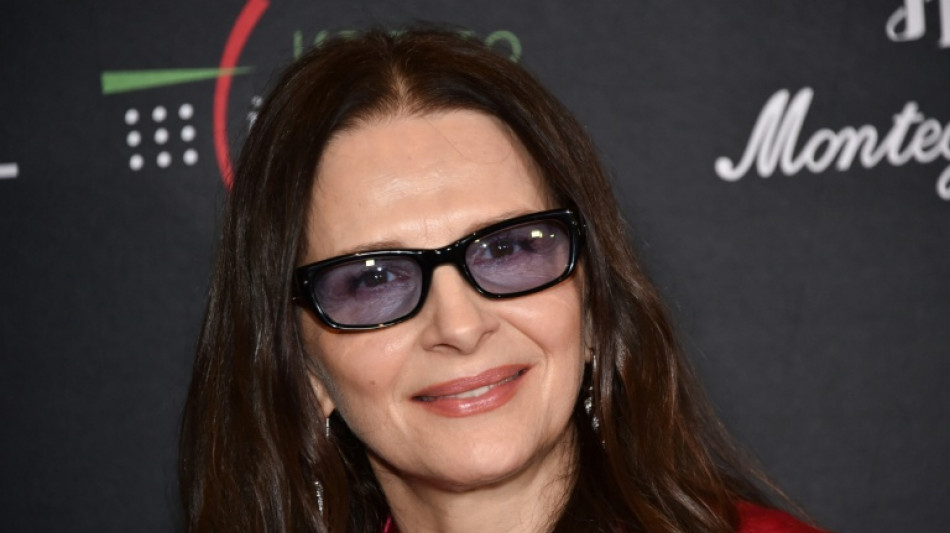
For Oscar winner Juliette Binoche, the head of last year's jury at the Cannes film festival, it's not hard to understand why the movies that succeeded on the Croisette go on to win accolades in Hollywood.
And it isn't because of reforms made to make the voting members of the Academy of Motion Picture Arts and Sciences more diverse.
"The strength of these films leads to their success," Binoche told AFP in an interview in Los Angeles.
It certainly seems like the Cannes jury made some prophetic choices: the crop of films that premiered at the festival earned a total of 19 Oscar nominations.
Norwegian family drama "Sentimental Value" -- which won the second prize, Grand Prix -- and Brazilian thriller "The Secret Agent" are both in the running for best picture.
Cannes' top Palme d'Or winner "It Was Just An Accident" and rave-themed road trip movie "Sirat," which took a special jury prize, will compete with those two titles for best international film honors.
"It's because these films are so beautiful, so unique and so strong that they sometimes go against the grain," said Binoche.
"It's not hard to recognize films with their own strength," said the 61-year-old actress who, besides her Academy Award for "The English Patient," has won prizes at the Venice, Berlin and Cannes festivals.
- 'Reconciliation' -
The Academy Awards and the Cannes film festival have not always honored the same films, with the prestigious event in France often leaning towards works by auteur directors, some of them extremely political.
But about a decade ago, when more international voters were invited to join the Academy in the wake of the #OscarsSoWhite scandal, the prizewinners from the two galas have often converged, and Cannes has embraced its role as an Oscars bellwether.
Over the last five years, two films have won both the Palme d'Or and the best picture Oscar: South Korean class satire "Parasite" and last year's "Anora" from Sean Baker, a darling of US indie cinema.
That has only happened four times in 80 years, and cannot happen this year, with Jafar Panahi's "It Was Just An Accident" not in best picture contention.
So was Panahi's work -- which spotlights the dilemmas of a group of ordinary Iranians as they confront a man they believe to have tortured them in jail -- not given its due?
For Binoche, "there is no such thing as fair value, because a film just belongs to itself."
"One could criticize the film by saying that it's not totally well acted, but it's just not actors we are used to seeing on screen because he used non-professionals," she explained.
But she added that Panahi, "who wrote this script in prison in Iran, who went on hunger strike," has highlighted "space... for reconciliation with his executioner."
- 'Changes lives' -
The French film legend says that the most important thing for her about a film "is that it changes lives, changes people's consciences."
Binoche is currently promoting her first directorial effort, which tells the story of an experience that profoundly affected her.
"In-I in Motion" offers a candid look at her preparations for the dance performance she created with British choreographer Akram Khan, which premiered in London in 2008.
The actress says those 120 shows taught her to face her fears.
"Each time, I thought I was going to die," she recalled.
The film features footage of rehearsals, which she edited, and invites the viewer to get a bird's eye view of the unusual creative collaboration between the actress and the dancer.
Binoche says making the documentary has taught her that directing is not so different from acting.
In both cases, "you have to be in sync with your own intuition... you have to believe in what you feel," she said.
After performing in dozens of films, Binoche is eager to get behind the camera again.
But when asked what her next subject might be, she said with a smile, "I can't say any more about it."
A.Hill--SMC