Onkgopotse Mashika Marks 10 Years Building Angalia Apparel


 London
 1 °C

 Manchester
 2 °C
 Glasgow
 4 °C
 Dublin
7 °C
 Belfast
5 °C
 Washington
7 °C
 Denver
10 °C
 Atlanta
6 °C
 Dallas
14 °C
 Houston Texas
19 °C
 New Orleans
15 °C
 El Paso
13 °C
 Phoenix
 17 °C
 Los Angeles
16 °C
San Diego
18 °C
San Francisco
13 °C
Chicago
3 °C
Minneapolis
-1 °C
Seattle
 11 °C
Portland
12 °C
Salt Lake City
12 °C
Las Vegas
18 °C
Miami
21 °C
Jacksonville
13 °C
San Antonio
17 °C
Bermuda
23 °C
Nassau
5 °C
Iqaluit
 -10 °C
Yellowknife
-2 °C
Anchorage
-2 °C
Fairbanks
 -13 °C
Barrow
-11 °C
Calgary
3 °C
Edmonton
5 °C
Winnipeg
-2 °C
Goose Bay
3 °C
Halifax
2 °C
Boston
2 °C
Ottawa
3 °C
Toronto
3 °C
Detroit
2 °C
Cleveland
4 °C
New York
4 °C
Baltimore
6 °C
Philadelphia
5 °C
Nuuk (Godthåb)
1 °C
Hong Kong
24 °C
Singapore
29 °C
Melbourne
17 °C
Canberra
 21 °C
Adelaide
 20 °C
Darwin
33 °C
Perth
23 °C
Fort Worth
14 °C
Honolulu
26 °C
Sydney
 30 °C
Johannesburg
17 °C
Dubai
 23 °C
Mumbai
27 °C
Zürich
1 °C
Tokyo
19 °C
Seoul
 11 °C
Delhi
18 °C
Beijing
8 °C
Riyadh
12 °C
Prague
1 °C
Pennsylvania
6 °C
Valletta
20 °C
Manama
21 °C
Warsaw
4 °C
Stockholm
0 °C
Onkgopotse Mashika is marking the tenth anniversary of Angalia Apparel, a South African fashion brand she founded in 2016 to integrate African-inspired design into modern women's daily wardrobes. Transitioning from accounting to fashion, Mashika has built a company that balances cultural heritage with contemporary versatility, celebrating ten years of operation in a competitive industry.
Onkgopotse Mashika is marking the tenth anniversary of Angalia Apparel, a South African fashion brand she established in 2016 with the specific goal of integrating African-inspired design into the daily wardrobes of modern women. The milestone comes after a decade of navigating the complexities of the fashion industry, a sector Mashika entered without prior professional experience.
Originally trained and prepared for a career in accounting, Mashika pivoted to fashion driven by a desire to build an independent venture that celebrated African identity through contemporary design. When she launched Angalia Apparel, her vision was distinct from traditional approaches to African print clothing, which she observed were often reserved exclusively for cultural ceremonies or weddings.
"I’ve always had a strong appreciation for fashion, particularly its ability to express individuality, identity and creativity," Mashika said. She identified a gap in the market for garments that allowed women to incorporate African prints and traditional fabrics into everyday life without losing their cultural significance.
The transition from accounting to fashion required Mashika to learn the industry from the ground up. Beyond creative design, she had to master product development, manufacturing, retail distribution, and consumer behavior. She noted that the visible appeal of the garments often obscures the extensive operational work behind them, including managing production, cash flow, staffing, inventory, and logistics.
A significant turning point for the business was the establishment of an in-house manufacturing operation. This move provided Angalia Apparel with greater control over quality assurance, production timelines, and turnaround speeds. It also created local employment opportunities and allowed the team to develop specialized skills in garment construction.
Since its inception, the brand has secured stockists across multiple retail locations within South Africa. Mashika has also utilized these platforms to showcase her work internationally, receiving recognition for her contributions to the creative industry. The brand’s approach focuses on merging African identity with contemporary fashion, rejecting the notion that women must choose between celebrating their heritage and embracing modern style.
"Women shouldn’t have to choose between celebrating their African identity and embracing contemporary fashion. The two can coexist beautifully," Mashika said. This philosophy informs the brand’s use of African prints, which are incorporated into modern silhouettes, flattering cuts, and versatile designs.
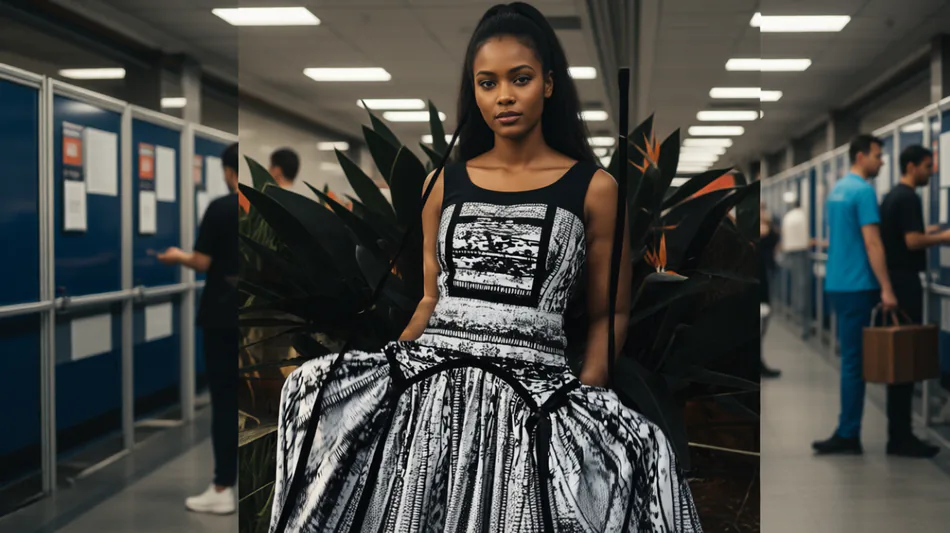
One of the brand's best-selling items is the Mwezi dress. According to Mashika, its popularity stems from the freedom it offers women to interpret the garment according to their own personalities and the specific occasions they attend. The same piece can be styled differently depending on the context, allowing for a range of expressions.
Traditional celebrations continue to shape Mashika’s design philosophy. She views attire as a means to honor family, bridge generations, and preserve cultural heritage while allowing room for contemporary expression. She observes that different generations interpret cultural influences through their own styles, with older women often embracing traditional silhouettes and younger women experimenting with contemporary cuts.
"Fashion allows culture to evolve without losing its significance," Mashika said.
As the festive season approaches, Mashika anticipates continued consumer interest in statement dresses, structured silhouettes, vibrant colors, and modern tailoring. She advises women to consider the nature of their upcoming events when selecting clothing, prioritizing comfort and versatility.
"Versatility will remain important as women look for clothing that can transition between occasions," she said. For traditional weddings, she recommends beautifully tailored statement dresses, whether fitted or flowing. For family celebrations, she suggests relaxed but polished African-print dresses styled with heels or flats. For cultural ceremonies, she emphasizes the importance of respecting associated traditions while allowing space for personal expression.
Reflecting on ten years in an industry defined by constant reinvention, Mashika identified resilience and adaptability as key lessons. "The greatest lesson has been that creativity alone isn’t enough to build a sustainable fashion business," she said. "You need resilience, adaptability and a willingness to evolve."
A.Rogen--SMC