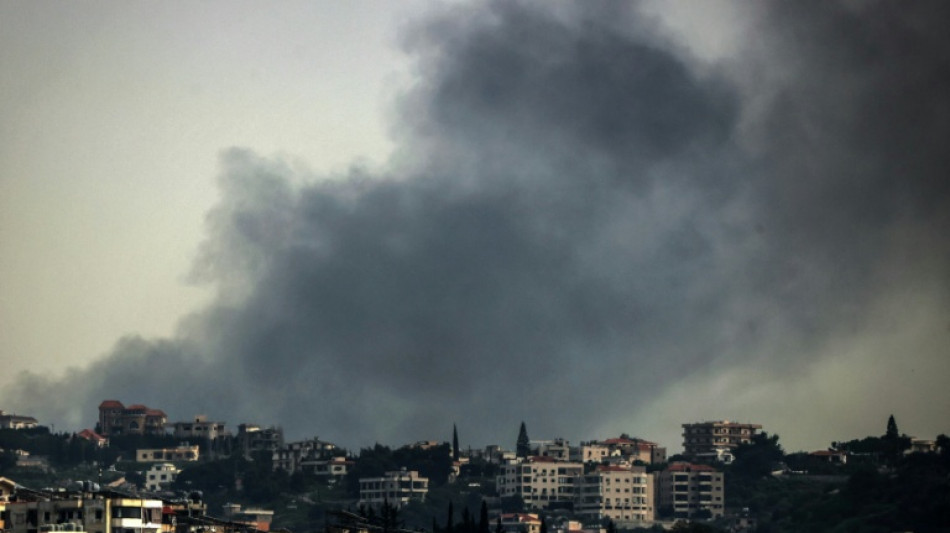
US threatens to resume strikes if Iran spurns peace offer / Photo: MAHMOUD ZAYYAT - AFP


 London
 9 °C
9 °C

 Manchester
 11 °C
11 °C
 Glasgow
6 °C
Glasgow
6 °C
 Dublin
 6 °C
6 °C
 Belfast
 3 °C
3 °C
 Washington
6 °C
Washington
6 °C
 Denver
12 °C
Denver
12 °C
 Atlanta
9 °C
Atlanta
9 °C
 Dallas
14 °C
Dallas
14 °C
 Houston Texas
16 °C
Houston Texas
16 °C
 New Orleans
17 °C
New Orleans
17 °C
 El Paso
 17 °C
17 °C
 Phoenix
22 °C
Phoenix
22 °C
 Los Angeles
22 °C
San Diego
21 °C
San Francisco
Los Angeles
22 °C
San Diego
21 °C
San Francisco
 14 °C
Chicago
11 °C
Minneapolis
11 °C
Seattle
9 °C
Portland
11 °C
Salt Lake City
12 °C
Las Vegas
19 °C
Miami
26 °C
Jacksonville
19 °C
San Antonio
15 °C
Bermuda
27 °C
Nassau
9 °C
Iqaluit
-5 °C
Yellowknife
-2 °C
Anchorage
1 °C
Fairbanks
-3 °C
Barrow
-2 °C
Calgary
3 °C
Edmonton
6 °C
Winnipeg
3 °C
Goose Bay
10 °C
Halifax
2 °C
Boston
5 °C
Ottawa
8 °C
Toronto
10 °C
Detroit
9 °C
Cleveland
8 °C
New York
10 °C
Baltimore
6 °C
Philadelphia
7 °C
Nuuk (Godthåb)
14 °C
Chicago
11 °C
Minneapolis
11 °C
Seattle
9 °C
Portland
11 °C
Salt Lake City
12 °C
Las Vegas
19 °C
Miami
26 °C
Jacksonville
19 °C
San Antonio
15 °C
Bermuda
27 °C
Nassau
9 °C
Iqaluit
-5 °C
Yellowknife
-2 °C
Anchorage
1 °C
Fairbanks
-3 °C
Barrow
-2 °C
Calgary
3 °C
Edmonton
6 °C
Winnipeg
3 °C
Goose Bay
10 °C
Halifax
2 °C
Boston
5 °C
Ottawa
8 °C
Toronto
10 °C
Detroit
9 °C
Cleveland
8 °C
New York
10 °C
Baltimore
6 °C
Philadelphia
7 °C
Nuuk (Godthåb)
 -3 °C
Hong Kong
31 °C
Singapore
32 °C
Melbourne
24 °C
Canberra
22 °C
Adelaide
27 °C
Darwin
-3 °C
Hong Kong
31 °C
Singapore
32 °C
Melbourne
24 °C
Canberra
22 °C
Adelaide
27 °C
Darwin
 33 °C
Perth
21 °C
Fort Worth
13 °C
Honolulu
25 °C
Sydney
21 °C
Johannesburg
21 °C
Dubai
36 °C
Mumbai
35 °C
Zürich
10 °C
Tokyo
26 °C
Seoul
17 °C
Delhi
29 °C
Beijing
20 °C
Riyadh
34 °C
Prague
7 °C
Pennsylvania
4 °C
Valletta
23 °C
Manama
33 °C
Warsaw
7 °C
Stockholm
3 °C
33 °C
Perth
21 °C
Fort Worth
13 °C
Honolulu
25 °C
Sydney
21 °C
Johannesburg
21 °C
Dubai
36 °C
Mumbai
35 °C
Zürich
10 °C
Tokyo
26 °C
Seoul
17 °C
Delhi
29 °C
Beijing
20 °C
Riyadh
34 °C
Prague
7 °C
Pennsylvania
4 °C
Valletta
23 °C
Manama
33 °C
Warsaw
7 °C
Stockholm
3 °C
The United States threatened Thursday to resume air strikes on Iran and maintain a naval blockade of its ports if Tehran refuses to accept a deal to end the war that has engulfed the Middle East.
The warning came as the influential chief of Pakistan's armed forces visited Iran's peace negotiators in Tehran as part of his country's diplomatic efforts to arrange a new round of talks between the foes.
Iranian state television showed Pakistan's Field Marshal Asim Munir meeting Iran's speaker of parliament, Mohammad Bagher Ghalibaf, who led the Iranian delegation at the first US-Iran meeting in Pakistan last week, which ended without a deal.
"If Iran chooses poorly, then they will have a blockade and bombs dropping on infrastructure, power and energy," Defense Secretary Hegseth told a news conference at the Pentagon.
Earlier, White House Press Secretary Karoline Leavitt had told reporters that further talks "would very likely" be in the Pakistani capital.
"Those discussions are being had," Leavitt said, and "we feel good about the prospects of a deal."
But, despite Washington's expectation of renewed talks, the US warned it would maintain its blockade of Iranian ports and use the two-week window afforded by the temporary ceasefire to rearm its forces.
General Dan Caine, the top US military officer, said the naval blockade "applies to all ships, regardless of nationality, heading into or from Iranian ports."
"If you do not comply with this blockade, we will use force," he said.
- 'Historic crossroads' -
Pakistani foreign ministry spokesman Tahir Andrabi said no date had been set for the next round of talks.
"Our role as a mediator and facilitator did not stop when the Islamabad talks, this last round, concluded -- it continued," he said.
US Vice President JD Vance, who led the first round of talks, has said Iran is being offered a "grand bargain" to end the six-week war with Israel and the United States and address the decades-old dispute over Tehran's nuclear programme.
Israel's defense minister Israel Katz said: "Iran is standing at a historic crossroads: one path is renouncing the ways of terror and nuclear armament... in line with the US proposal, the other leads to an abyss.
"If the Iranian regime chooses the second path, it will quickly discover there are even more painful targets than those we have already struck."
Shipping in the strait, through which one-fifth of the world's crude oil normally flows, has been disrupted by Iranian forces since the US-Israeli offensive began and is now the focus of the US blockade.
Washington has sought to turn the screws on Tehran with a blockade of its ports, with US Central Command claiming to have "completely halted economic trade going into and out of Iran by sea".
CENTCOM said it had already turned back 13 vessels that tried to sail out of Iranian ports.
Keeping up the pressure, the United States slapped fresh sanctions on Iran's oil industry Wednesday, which Treasury Secretary Scott Bessent said targeted "regime elites".
Unless Washington relents, Iran's armed forces "will not allow any exports or imports to continue in the Persian Gulf, the Sea of Oman and the Red Sea," said the head of the Iranian military's central command center Ali Abdollahi.
The military advisor to Iran's supreme leader Mojtaba Khamenei also warned that Iran would sink American ships in the strait if the United States decides to "police" the key shipping channel.
"These ships of yours will be sunk by our first missiles," Mohsen Rezaei, a former commander-in-chief of Iran's Revolutionary Guards who was named as a military advisor by Khamenei last month, told state TV.
- No nuclear weapons -
Trump has insisted that any deal with Iran must permanently bar the Islamic Republic from acquiring a nuclear weapon.
He launched the war on February 28, claiming that Tehran was rushing to complete an atomic bomb, an assertion not backed by the UN nuclear watchdog.
Tehran insists its nuclear programme is for civilian purposes.
Its foreign ministry said Wednesday that Iran's right to enrich uranium was "indisputable", although the level of enrichment was "negotiable".
burs/dc/jfx
S.Lapointe--SMC