Palisades Fire Victims Seek Justice Amid Arsonist Verdict and Official Failures


 London
 3 °C
 Manchester
 1 °C
 Glasgow
2 °C
 Dublin
6 °C
 Belfast
 1 °C
 Washington
 11 °C
 Denver
9 °C
 Atlanta
17 °C
 Dallas
18 °C
 Houston Texas
19 °C
 New Orleans
19 °C
 El Paso
18 °C
 Phoenix
17 °C
 Los Angeles
14 °C
San Diego
15 °C
San Francisco
10 °C
Chicago
16 °C
Minneapolis
17 °C
Seattle
4 °C
Portland
3 °C
Salt Lake City
 2 °C
Las Vegas
12 °C
Miami
23 °C
Jacksonville
18 °C
San Antonio
16 °C
Bermuda
21 °C
Nassau
11 °C
Iqaluit
-14 °C
Yellowknife
-17 °C
Anchorage
-4 °C
Fairbanks
 -9 °C
Barrow
 -3 °C
Calgary
-5 °C
Edmonton
9 °C
Winnipeg
4 °C
Goose Bay
6 °C
Halifax
6 °C
Boston
9 °C
Ottawa
5 °C
Toronto
9 °C
Detroit
8 °C
Cleveland
10 °C
New York
14 °C
Baltimore
10 °C
Philadelphia
12 °C
Nuuk (Godthåb)
-5 °C
Hong Kong
20 °C
Singapore
 29 °C
Melbourne
21 °C
Canberra
25 °C
Adelaide
 27 °C
Darwin
34 °C
Perth
20 °C
Fort Worth
17 °C
Honolulu
 26 °C
Sydney
30 °C
Johannesburg
17 °C
Dubai
23 °C
Mumbai
24 °C
Zürich
 7 °C
Tokyo
 15 °C
Seoul
2 °C
Delhi
15 °C
Beijing
5 °C
Riyadh
15 °C
Prague
3 °C
Pennsylvania
8 °C
Valletta
19 °C
Manama
23 °C
Warsaw
-1 °C
Stockholm
0 °C
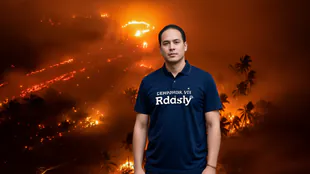
Los Angeles residents devastated by the Palisades Fire received partial justice with the guilty verdict against arsonist Jonathan Rinderknecht. However, the aftermath has intensified scrutiny on city and state leaders for alleged negligence in fire prevention, resource deployment, and emergency response that exacerbated the tragedy.
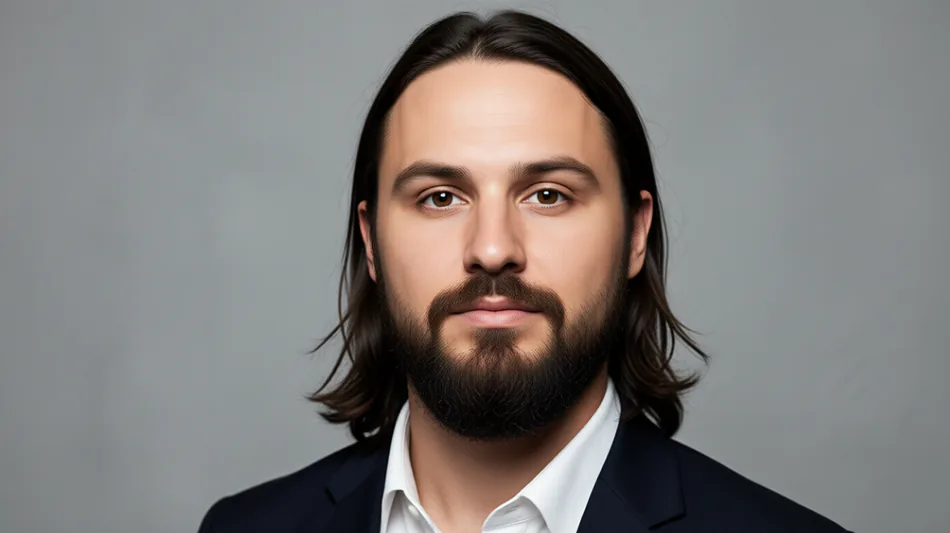
Jonathan Rinderknecht was found guilty on Friday for sparking the Palisades Fire, a devastating blaze that destroyed nearly 7,000 structures, burned more than 23,000 acres, inflicted $25 billion in damages, and killed 12 people. While the verdict offers some measure of justice to victims whose lives were upended by the disaster, the ruling has also reignited intense debate regarding the role of public officials in the catastrophe.
Rinderknecht’s actions on New Year’s Eve initiated the Lachman Fire, a smaller-scale burn that smoldered for a week. The Los Angeles Fire Department (LAFD) failed to fully extinguish the initial blaze, leaving the ground hot and vulnerable. High winds rekindled the fire a week later, allowing it to grow into the massive Palisades Fire.
Critics argue that while Rinderknecht deserves his guilty verdict, the sentence of up to 40 years is insufficient given the scale of destruction. More significantly, they contend that city and state officials share culpability for failing to prepare for disaster and protect constituents. The article suggests that political considerations were prioritized over public safety in the lead-up to the fire.
Specific failures cited include delays in mobilizing emergency services. Reports indicate it took the Los Angeles Police Department (LAPD) almost an hour to fully mobilize and the LAFD at least 45 minutes to respond to initial reports of the breakout. Furthermore, firefighters were ordered away from the Lachman Fire after its initial containment, despite the ground still being hot.
Los Angeles Mayor Karen Bass faced particular scrutiny for her handling of the crisis. She was criticized for failing to adequately pre-deploy LAFD resources to high-risk areas despite weather conditions conducive to fire spread. Additionally, Bass and the Los Angeles Department of Water and Power were blamed for poor management of water supplies, which resulted in one in every five hydrants running dry during the emergency.
Bass also faced backlash for traveling to Ghana during the height of the fire risk, a decision made despite warnings about high-risk conditions in Los Angeles. She subsequently criticized LAFD Chief Kristin Crowley for deployment failures and was accused of editing an LAFD after-action report to minimize mayoral responsibility before its publication. These controversies contributed to Bass losing her reelection bid.
California Governor Gavin Newsom also faced criticism for his response. According to his own reports, he was overwhelmed by the situation and took time off at his Marin County mansion after facing widespread criticism, including from President Donald Trump. Documents released in the months following the devastation suggested that Newsom’s environmental policies may have hindered fire prevention efforts.
His administration’s plan outlined "avoidance areas" containing sensitive natural and cultural resources where heavy equipment, vehicles, and retardant were prohibited. The plan also mandated that no mop-up techniques be allowed in these areas without an archaeologist present. This protocol was cited as a possible reason why the Lachman Fire was never fully extinguished.
The recovery effort continues to move slowly, hampered by red tape entangling construction in Los Angeles and California. While Rinderknecht is identified as the individual who ignited the fire, critics argue that the enduring damage to the neighborhood was facilitated by a system driven by incompetence and political pieties.
As the legal proceedings against Rinderknecht conclude, the focus remains on the systemic failures that allowed a single act of arson to escalate into one of the most destructive disasters in California's history. The case highlights ongoing tensions between environmental regulations, emergency preparedness, and political accountability.
B.Cote--SMC